Facial Treatment Consent Form: What You Need to Know
Learn what is facial treatment consent form and why it’s essential for safe skincare. Discover key insights for clients and practitioners!
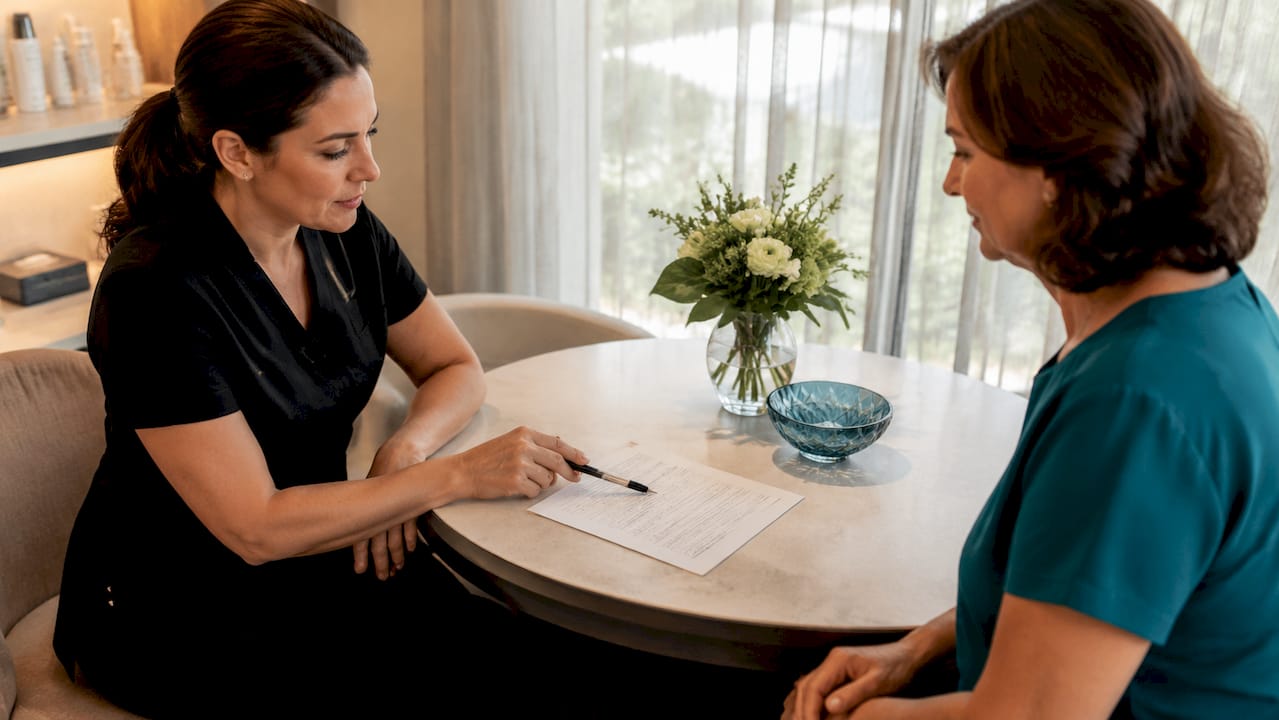
Facial Treatment Consent Form: What You Need to Know
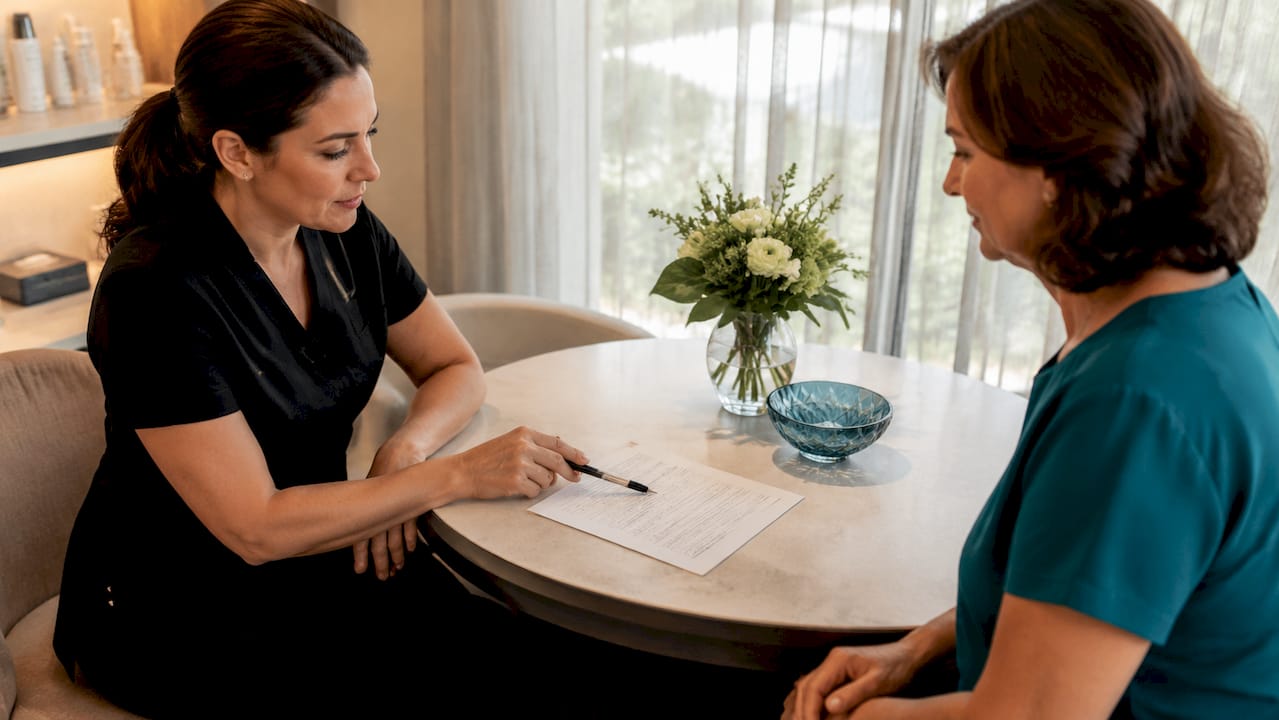
A facial treatment consent form is a written legal agreement that documents a client’s informed understanding and permission before receiving any facial skincare procedure. This document covers everything from basic facials to advanced treatments like chemical peels, microneedling, and laser therapy. It protects both the client and the esthetician by recording medical disclosures, treatment risks, and aftercare responsibilities. Whether you are a client preparing for your first appointment or a practitioner reviewing your intake process, understanding this form is the first step toward a safe, transparent treatment experience.
What is a facial treatment consent form?
A facial treatment consent form is a mandatory legal document in aesthetic settings that records informed consent before any facial procedure begins. According to Pabau’s consent form guidance, the form must include medical history, treatment risks, and aftercare requirements as of early 2026. That requirement reflects how seriously regulatory bodies and legal systems now treat client safety in beauty and wellness environments.
The form serves two core functions. First, it confirms the client has received enough information to make a voluntary, educated decision. Second, it creates a documented record that protects the practitioner if a dispute arises later. Treatments like chemical peels, microneedling, and advanced light therapies all carry specific risks that must be disclosed in writing before the session starts.

What to include in a facial consent form
A complete facial treatment agreement covers several distinct categories of information. Each category serves a specific legal or safety purpose, and missing any one of them weakens the form’s validity.
Client health disclosures form the foundation of any consent document. Clients must provide:
- Current medications and supplements that may affect skin sensitivity
- Known allergies, including reactions to skincare ingredients or topical anesthetics
- Existing skin conditions such as rosacea, eczema, or active acne
- Recent cosmetic procedures or treatments that could affect the skin barrier
- Pregnancy or hormonal therapy status, which affects contraindications for many treatments
Treatment description and expected outcomes must be written in plain language. The form should explain what the procedure involves, how long it takes, and what realistic results look like. Practitioners should never imply guaranteed outcomes. Lady Lash & Brow’s facial service agreement includes a liability clause stating that results are not guaranteed and that the client releases the practitioner from liability if aftercare instructions are not followed.
Risk and side effect disclosures are non-negotiable. Clients must be informed that facial treatments can cause temporary redness, swelling, sensitivity, or rare complications like infection or scarring. These risks must appear in simple, direct language so the client genuinely understands them before signing.
Aftercare instructions belong in the form itself, not just in a verbal handout. Common aftercare clauses include avoiding sun exposure for up to 48 hours, skipping harsh exfoliants, and refraining from applying makeup immediately after treatment.
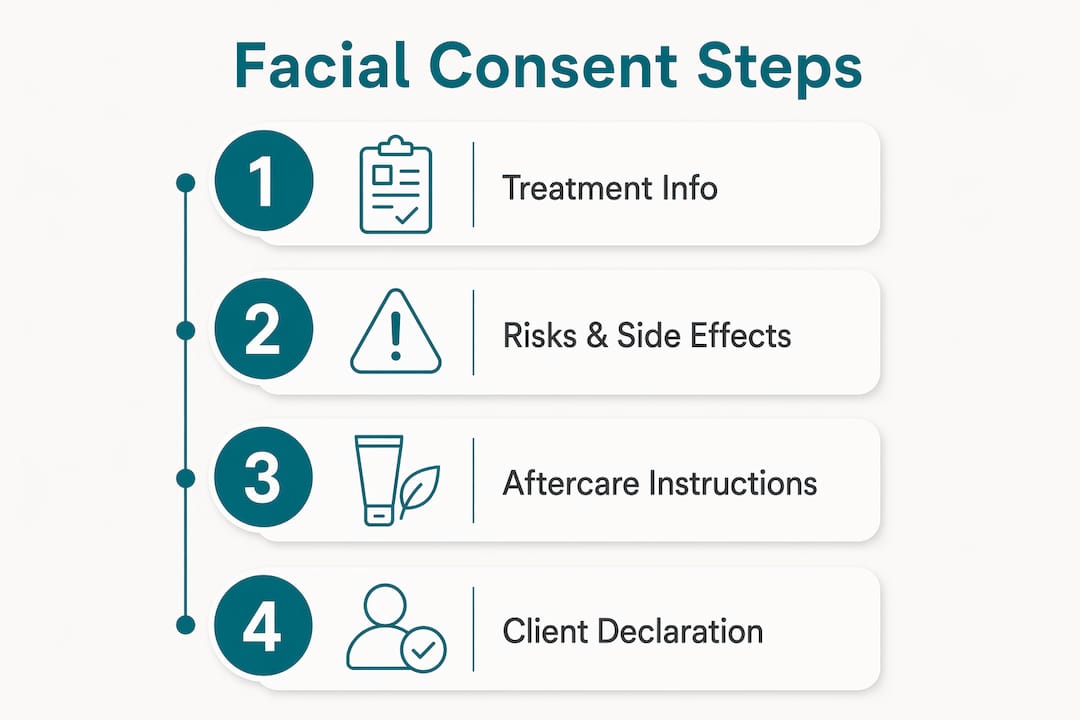
Pro Tip: Always include a client declaration section where the client confirms all information provided is truthful. This single clause significantly strengthens your legal position if a complication arises.
Why are facial consent forms legally required?
Facial procedure consent is not optional in most U.S. jurisdictions as of 2026. Practitioners who skip this step face real legal exposure if a client experiences an adverse reaction and claims they were never informed of the risks.
The legal protection runs in both directions. For the practitioner, a signed form documents that the client was fully informed before treatment. For the client, the form guarantees they received complete information and had the opportunity to ask questions before agreeing to proceed.
One critical distinction separates the consent process from the consent document. As consent form guidance from med spa professionals makes clear, consent is a process involving an explanatory conversation before signing. The form is the legal record of that conversation, not a substitute for it. Handing a client a form without a verbal discussion does not constitute valid informed consent.
“Informed consent requires competence, full information, and voluntary agreement. The form documents the process; it does not replace it.”: Consent Form Template for Med Spas
HHS guidelines confirm that written consent must be documented with signed forms that give the client a genuine opportunity to read before signing. Oral consent alone is insufficient for most aesthetic procedures. Practitioners who rely only on verbal agreements have no legal record to present if a client later disputes what was disclosed.
Common legal pitfalls include using outdated forms that no longer reflect current treatment protocols, failing to update forms when new services are added, and not retaining signed copies in a secure, accessible system.
Do different treatments need different consent forms?
The short answer is yes. A generic consent form covering all facial services creates significant legal risk. Procedure-specific consent forms increase legal defensibility and client trust compared to generic documents that attempt to cover every treatment in one page.
Here is how the risk profiles differ across common facial treatments:
| Treatment | Key Risks to Disclose | Specific Clauses Needed |
|---|---|---|
| Basic facial | Redness, sensitivity, breakouts | General aftercare, allergy disclosure |
| Chemical peel | Burns, hyperpigmentation, peeling | Sun avoidance, depth of peel, skin type suitability |
| Microneedling | Bruising, infection, scarring | Contraindications for active skin conditions, downtime expectations |
| LED light therapy | Eye sensitivity, rare skin reactions | Eye protection confirmation, photosensitivity medications |
| Advanced laser therapy | Burns, pigment changes, nerve sensitivity | Medical history review, physician referral clause |
A client booking a chemical peel faces entirely different risks than one booking a hydrating facial. Using the same form for both treatments fails to disclose the peel’s specific risks, which creates a gap in informed consent that a client’s attorney can exploit.
Pro Tip: Review your spa treatment consent forms every six months. Treatment protocols evolve, and your consent documents need to reflect current practice to stay legally defensible.
Best practices for valid facial treatment consent
Valid consent depends on how the form is used, not just what it contains. Both clients and practitioners have responsibilities in this process.
For clients, follow these steps before signing any facial treatment agreement:
- Read the entire form before picking up a pen or tapping a signature field. Do not let time pressure rush you through it.
- Ask the esthetician to explain any term you do not understand, including contraindications, patch test requirements, or aftercare restrictions.
- Disclose all medications honestly, including supplements and over-the-counter products. Some ingredients, like retinoids or blood thinners, directly affect treatment safety.
- Confirm the treatment description on the form matches what the practitioner described verbally. If they differ, ask for clarification before signing.
- Request a copy of the signed form for your own records. A reputable practice will provide one without hesitation.
For practitioners, valid consent requires more than a signature:
Clients must voluntarily and competently sign consent forms without any form of coercion. That means giving clients enough time to read, answering questions honestly, and never pressuring someone to sign quickly to keep the appointment on schedule.
Local legal requirements vary by state and jurisdiction. Locally applicable legal counsel review is advised for compliance with jurisdiction-specific regulations before deploying any consent form template. A template downloaded from the internet may not meet your state’s specific requirements.
Digital consent forms with e-signatures improve efficiency and compliance in spa and salon environments. They enable easy customization, secure storage, and legal validity when properly implemented. Paper forms get lost, misfiled, or damaged. Digital records do not.
Key takeaways
A valid facial treatment consent form requires a genuine informed consent conversation, procedure-specific disclosures, and a signed record kept securely for legal protection.
| Point | Details |
|---|---|
| Definition and purpose | A facial consent form is a legal document recording informed client agreement before any facial procedure. |
| Core components | Include medical history, allergies, treatment risks, aftercare instructions, and a liability waiver. |
| Legal requirement | Consent forms are mandatory in most U.S. jurisdictions and must reflect current treatment protocols. |
| Procedure-specific forms | Generic forms reduce legal defensibility; each treatment type requires its own tailored disclosures. |
| Digital forms improve compliance | E-signature platforms provide secure storage, easy customization, and legally valid records. |
The consent conversation is the real protection
After years of working with beauty and wellness professionals, I have seen one pattern repeat itself in nearly every consent dispute: the form was signed, but the conversation never happened. Practitioners hand clients a tablet, the client taps through three screens, and nobody talks about what the treatment actually involves. That is not informed consent. That is a signature on a document.
The form matters. But the conversation before the form is what actually protects everyone in the room. I have reviewed cases where a client claimed they were never told about post-peel hyperpigmentation risk. The form had a checkbox. The esthetician had no memory of discussing it. The checkbox alone did not hold up.
My advice to clients: treat the consent form like a pre-flight checklist, not a formality. If something on that form surprises you, that is your signal to ask a question before the treatment starts, not after. You have every right to slow the process down.
My advice to practitioners: customize your forms for every treatment you offer. A chemical peel consent form and a microneedling consent form should look nothing alike. Generic forms signal to a judge or arbitrator that you did not take the disclosure process seriously. Specific forms signal the opposite.
The beauty industry has matured significantly in how it handles patient consent for skincare procedures. The practitioners who stay ahead of legal risk are the ones who treat consent as a professional standard, not a box to check.
— Artur
How Getconsentify makes facial consent simple
Managing consent forms across multiple treatment types is one of the most time-consuming parts of running a beauty or aesthetic practice. Getconsentify removes that friction with digital intake forms built specifically for beauty salons, estheticians, and medical spas.
Getconsentify’s beauty and wellness consent solutions include treatment-specific templates that cover chemical peels, microneedling, advanced facials, and more. Every form supports e-signature collection, secure cloud storage, and easy customization to match your services and jurisdiction. For practices operating at the clinical level, Getconsentify’s medical spa consent platform delivers clinical-grade documentation that meets 2026 compliance standards. Stop managing paper forms and start protecting your clients and your practice the right way.
FAQ
What is a facial treatment consent form?
A facial treatment consent form is a legal document that records a client’s informed agreement before receiving a facial procedure. It covers medical history, treatment risks, aftercare responsibilities, and liability acknowledgments.
What should a facial consent form always include?
Every facial consent form should include the client’s medical history, known allergies, a description of the treatment and its risks, aftercare instructions, and a signed liability waiver. Missing any of these elements weakens the form’s legal validity.
Is a separate consent form required for each facial treatment?
Yes. Procedure-specific forms are legally stronger than generic documents because each treatment carries unique risks that must be individually disclosed. A chemical peel form and a basic facial form should contain different risk disclosures.
Can a digital consent form replace a paper form?
Digital consent forms with e-signatures are legally valid when properly implemented and are widely accepted in U.S. aesthetic settings. They also provide more reliable storage and easier retrieval than paper records.
What happens if a client signs without fully reading the form?
A signed form creates a legal presumption that the client agreed to its contents. Clients should always read before signing and ask questions about anything unclear. Practitioners are responsible for giving clients adequate time and information before the signature is collected.