Brow Treatment Consent Form Types: A Salon Guide
Discover essential brow treatment consent form types to protect your salon, ensure compliance, and build client trust. Learn more now!

Brow Treatment Consent Form Types: A Salon Guide

Brow treatment consent forms are legally binding documents that record a client’s informed agreement to undergo a specific brow procedure after understanding its risks, contraindications, and aftercare requirements. Every brow service, from a quick tint to full microblading, carries a distinct risk profile. A single generic waiver does not cover those differences. The right brow treatment consent form types protect your salon from liability, demonstrate professional standards, and build the kind of client trust that drives repeat bookings.
What are the main brow treatment consent form types?
The industry recognizes four primary categories of consent documentation for brow services. Each maps to a specific treatment and its associated risk level. Using the correct eyebrow procedure agreement for each service is the foundation of sound compliance practice.
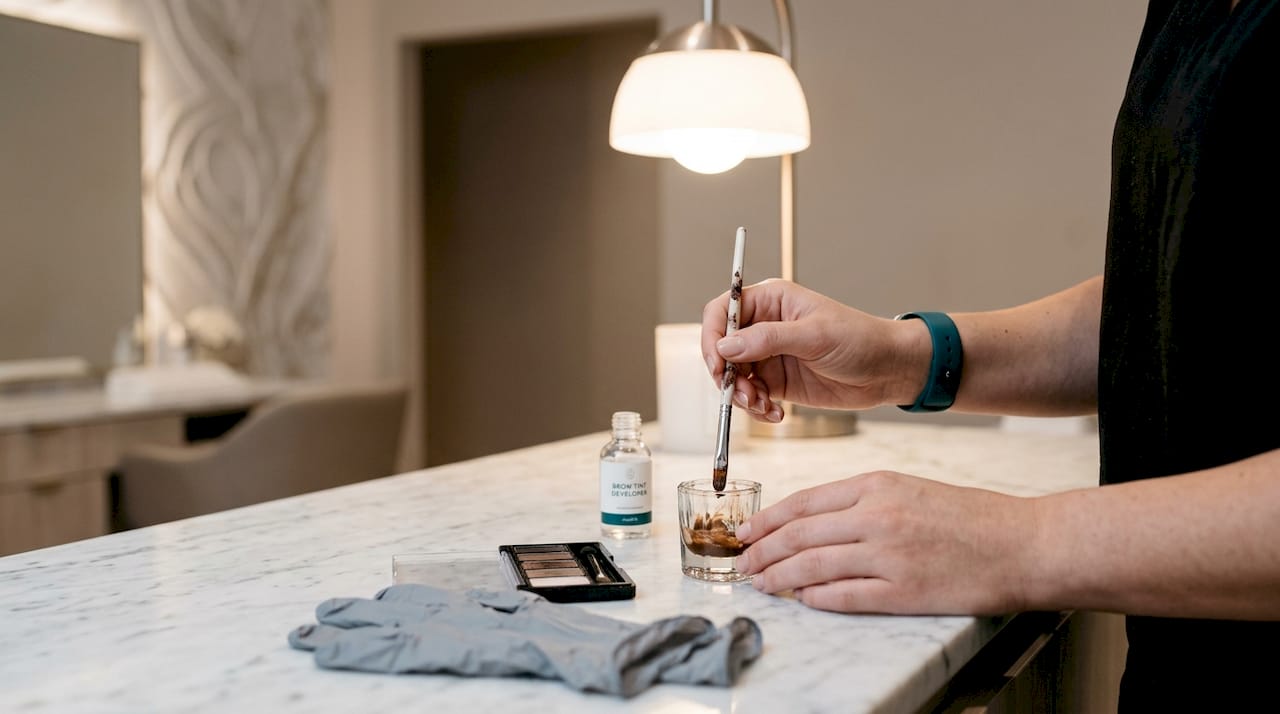
Brow tint consent forms cover chemical dye application near the eye area. These forms address risks including skin irritation, allergic reactions, staining, and the possibility of eye injury if product migrates. A well-structured tint form includes a checkbox acknowledgment flow and a typed or handwritten signature confirming the client has read and understood every risk. Tints typically require re-application every three to four weeks, so your form should note that frequency alongside aftercare instructions.
Brow lamination consent forms are more detailed because the chemical restructuring process involves stronger agents applied close to the eye. These forms must screen for contraindications such as active skin infections, eczema, and recent retinol use. They also document patch test timing, which should occur 24 to 48 hours before treatment. Without that documentation, a salon has no defense if a client claims they were never tested.
Semi-permanent makeup consent forms cover procedures like microblading, brow microshading, and powder brows. These are the most detailed forms in the brow category because they involve skin penetration, pigment implantation, and a healing process that spans weeks. They require full risk disclosure, including infection risk, pigment migration, and the possibility of unsatisfactory results. Many practitioners also call these a microblading permission slip internally, though the formal term is a semi-permanent makeup consent form.
Waxing and threading consent forms are the shortest of the four types but still necessary. They focus on:
- Skin sensitivity screening, including current retinol or AHA use
- Allergy history for wax resins and fragrance components
- Contraindications such as sunburn, open wounds, or recent chemical peels
- Client acknowledgment that redness and minor irritation are expected outcomes
Each of these brow care treatment release documents serves a distinct legal and clinical purpose. Treating them as interchangeable is a compliance risk no professional salon should accept.
How brow tint consent forms protect salons and clients
Brow tint forms carry more legal weight than most salon owners realize. The eye area is classified as a high-risk treatment zone, and eye-specific hazard disclosure in your consent form is what separates a defensible record from a generic disclaimer. Risks that must be named explicitly include eye irritation, possible temporary or permanent vision impairment if tint contacts the eye, skin staining, and the potential for allergic contact dermatitis.
A strong brow tint consent form also includes client instructions for adverse events. If a client experiences burning or tint contact with the eye, the form should tell them to flush with water immediately and seek medical attention. This instruction protects the client and demonstrates that your salon exercised a duty of care.
Your form should cover these elements:
- Client health history relevant to eye and skin sensitivity
- Named risks with plain-language descriptions, not legal boilerplate
- Step-by-step adverse event instructions
- Aftercare guidelines, including avoiding water and makeup for 24 hours
- Signature and date fields for both client and practitioner
Digital consent options now allow clients to complete and sign these forms before they arrive, which improves record keeping and reduces chair-side administration time. A typed digital signature carries the same legal weight as a handwritten one in most U.S. jurisdictions.
Pro Tip: Never use the phrase “results may vary” as a standalone risk disclosure. Name the actual worst-case scenario, such as eye injury or allergic reaction, so the client’s acknowledgment is specific and legally meaningful.
Why screening and patch test documentation matter in brow lamination forms
Brow lamination involves thioglycolic acid or similar chemical agents that restructure the hair shaft. The contraindication screening required for this procedure goes well beyond what a tint form covers. Clients with active eczema, psoriasis, open skin lesions, or a history of severe allergic reactions should not receive lamination without medical clearance.
Effective lamination consent documentation follows a two-stage structure:
- Intake and medical history form (completed at booking or before the appointment): Captures contraindications, current medications, skin conditions, and pregnancy status. This form determines whether the client is a candidate for the service at all.
- Patch test acknowledgment form (completed 24 to 48 hours before treatment): Documents that the patch test was performed, the product used, the application site, and the client’s observed reaction. This is a separate document, not a checkbox on the main consent form.
- Day-of procedure consent form (signed at the appointment): Confirms the client’s patch test result, restates the key risks, and captures final authorization to proceed.
Separating these documents prevents the common mistake of treating the patch test as optional. When it lives on its own form, it cannot be skipped without creating an obvious gap in the client record.
Pro Tip: Date-stamp every patch test acknowledgment form at the time of testing, not at the time of the appointment. That timestamp is your primary evidence of compliance if a client later claims the test was never done.
Risk mitigation for brow lamination relies on documented screening and strict adherence to patch test timing, not just a signed form. A signature without supporting documentation is a weak defense.
Comparing brow treatment consent forms: key differences and when to use each
A properly structured consent form includes the specific treatment name, expected benefits, common and serious risks, alternatives, aftercare instructions, and signatures with dates. How that structure scales depends on the procedure’s risk level.
| Form type | Length and detail | Key inclusions | When to use |
|---|---|---|---|
| Brow tint | 1 page, moderate detail | Eye-area risks, adverse event instructions, aftercare | Every tint appointment |
| Brow lamination | 2 to 3 pages, high detail | Contraindication screening, patch test record, chemical risks | Every lamination, with separate pre-appointment forms |
| Semi-permanent makeup | 3 or more pages, highest detail | Skin penetration risks, pigment disclosure, healing timeline, photography consent | Every microblading or microshading session |
| Waxing and threading | Half to 1 page, basic | Skin sensitivity, allergy screening, expected reactions | Every wax or thread appointment |
Photography consent deserves a mention here. Client consent for marketing photos is a recommended addition to any brow treatment form, particularly for semi-permanent procedures where before-and-after images are standard practice. Keep it as a clearly labeled optional section so clients do not feel pressured.
The best practice for any salon is to combine a general intake form with a treatment-specific consent form. The intake form captures health history and standing preferences. The treatment-specific form handles procedure risks and day-of authorization. This pairing, which aligns with informed consent best practices in aesthetic medicine, covers both the client relationship and the legal record.
How to implement effective consent form procedures in your salon
Having the right forms means nothing if your workflow does not support consistent use. These steps build a reliable consent process:
- Send forms before the appointment. Digital intake forms delivered via email or SMS allow clients to review and sign at home, without time pressure. This improves comprehension and reduces the chance of a rushed signature.
- Train every staff member on form explanation. Estheticians should be able to walk a client through the key risks verbally, not just hand over a clipboard. A client who understands what they signed is far less likely to dispute a result.
- Store signed forms securely and accessibly. Whether you use paper files or a digital platform, every signed consent form should be retrievable within minutes. Regulatory audits and client disputes both require fast access to records.
- Schedule patch tests as a formal booking step. For lamination and semi-permanent services, the patch test appointment should appear in your booking system as a required precursor. This prevents clients from skipping it and arriving on treatment day without documentation.
- Review and update forms annually. Product formulations change, regulations evolve, and your service menu expands. A consent form that was accurate two years ago may not cover your current offerings.
Combining general and treatment-specific forms aligns with legal compliance requirements and ensures that higher-risk procedures near the eyes receive the detailed documentation they require. This is not bureaucracy. It is professional practice.
Key takeaways
Procedure-specific brow treatment consent forms are the most legally defensible and client-centered approach to brow service documentation.
| Point | Details |
|---|---|
| Match form to procedure | Use tint, lamination, semi-permanent, or waxing forms based on each treatment’s specific risk profile. |
| Document patch tests separately | A standalone patch test acknowledgment form with a date stamp is stronger evidence than a checkbox on a general consent form. |
| Include adverse event instructions | Tint and lamination forms must tell clients exactly what to do if a reaction occurs, not just acknowledge that one might. |
| Combine intake and treatment forms | A general health history form paired with a day-of procedure consent form covers both the client relationship and the legal record. |
| Go digital for compliance | Digital consent forms improve record keeping, reduce administrative errors, and allow clients to review risks before arriving. |
Why generic consent forms are a liability, not a safeguard
I have reviewed dozens of salon consent form setups over the years, and the most common mistake is not the absence of forms. It is the use of one generic brow treatment waiver for every service on the menu. A single form that says “I understand there are risks associated with brow treatments” is not informed consent. It is a signature on a blank check.
The informed consent framework used in aesthetic medicine is explicit: consent must be patient-centered, procedure-specific, and realistic about outcomes. That standard applies to salon services too, especially when you are working near the eye area or using chemical agents. A client who signs a lamination consent form that names thioglycolic acid, lists eczema as a contraindication, and explains the patch test process has genuinely consented. A client who signs a one-line waiver has not.
What I have also seen is that detailed forms build trust rather than scare clients away. When a client sees that you have thought through every risk and prepared clear instructions for adverse events, they read that as professionalism. The salons I know with the strongest client retention are also the ones with the most thorough documentation practices. That is not a coincidence.
The practical challenge is keeping forms current and accessible without drowning in paperwork. That is where digital tools earn their place. The right platform lets you customize forms per treatment, capture signatures before the appointment, and pull up any record in seconds. For salons running multiple brow services, that kind of organization is not optional. It is how you stay compliant and keep clients coming back.
— Artur
Manage all your brow consent forms with Getconsentify
Getconsentify is a digital consent form platform built for beauty and wellness professionals who need procedure-specific documentation without the administrative burden. You can create customized templates for brow tint, lamination, semi-permanent makeup, and waxing services, each with the right risk disclosures, screening questions, and signature fields for that treatment. Clients complete and sign forms before they arrive, and every record is stored securely and retrievable on demand. If you are ready to replace paper stacks and generic waivers with a system that actually supports compliance, explore digital consent forms at Getconsentify.
FAQ
What are the main types of brow treatment consent forms?
The four main types are brow tint consent forms, brow lamination consent forms, semi-permanent makeup consent forms, and waxing or threading consent forms. Each addresses the specific risks, contraindications, and aftercare requirements of its procedure.
Do I need a separate consent form for every brow service?
Yes. A procedure-specific consent form is the standard in informed consent practice because each treatment carries distinct risks that a generic waiver cannot adequately disclose.
When should a patch test consent form be completed?
The patch test acknowledgment form should be completed 24 to 48 hours before the lamination or tint appointment, as a separate document from the day-of procedure consent form.
Can digital consent forms replace paper forms legally?
In most U.S. states, digital signatures on consent forms carry the same legal weight as handwritten signatures. Digital forms also improve record keeping and reduce the risk of lost or incomplete documentation.
What must a brow consent form always include?
A complete consent form names the specific treatment, lists expected benefits and risks, provides aftercare instructions, and includes dated signatures from both the client and the practitioner.